US Cancels Sh7.4 Billion Kenya BRT Deal as Trump Reverses Biden Policy
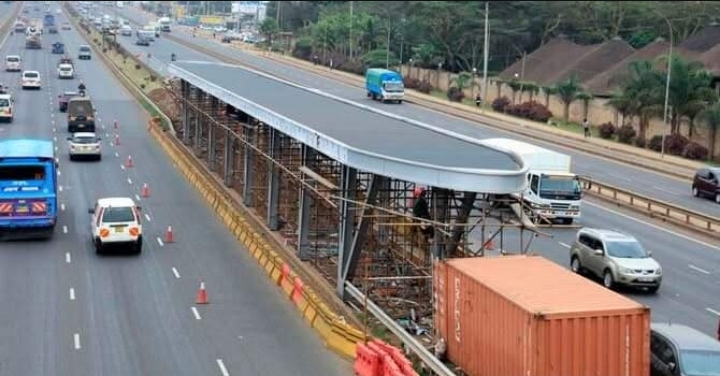
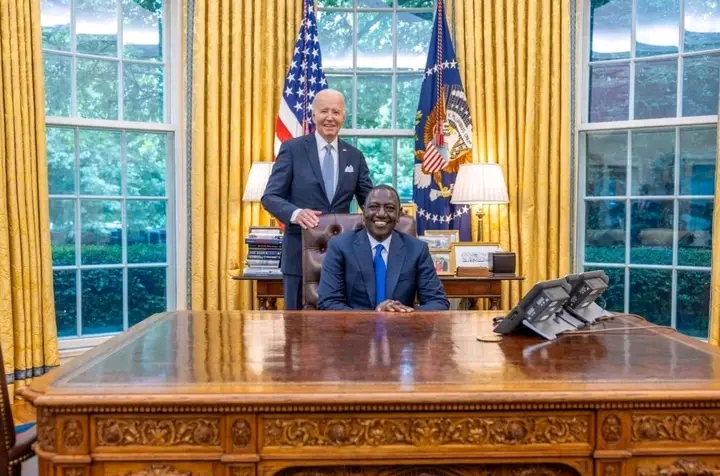
In a shock move, U.S. President Donald Trump has abruptly terminated a Sh7.4 billion (about $60 million) grant to Kenya that was earmarked for Nairobi’s Bus Rapid Transit (BRT) system. The funding, which came via the Millennium Challenge Corporation (MCC), had been agreed under President Joe Biden in September 2023 and formally came into force in May 2024.
The MCC Nairobi program was designed to improve connectivity across Nairobi, finance climate-friendly buses, develop safer pedestrian infrastructure and gender-responsive transport, and support integrated land-use planning. Under the deal, the U.S. was to provide Sh5.8 billion, while Kenya committed Sh1.56 billion
The cancellation of the Sh7.4 billion Nairobi BRT deal by the United States has triggered new debates about how political changes in Washington can abruptly derail large-scale projects abroad, especially those financed through executive agreements rather than treaty-anchored obligations.
The reversal stems from President Donald Trump’s new foreign aid review order published by the Federal Register, which empowers agencies to halt programs approved under previous administrations.
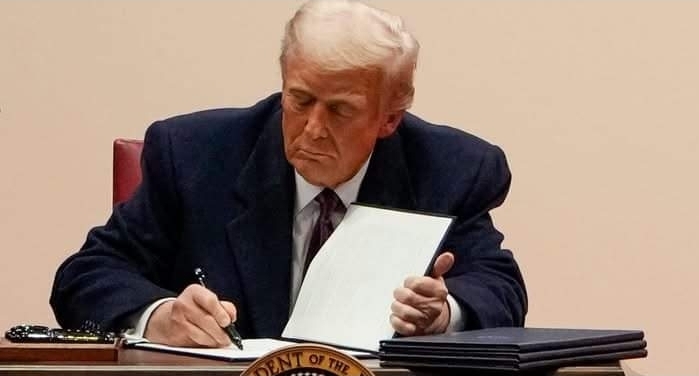
The new US policy allows the executive branch to redefine or terminate commitments that do not carry binding legislative guarantees. This authority has been upheld in several interpretations referenced in filings before the US Supreme Court, which reinforce the president’s discretion in foreign assistance matters.
The abrupt shift places Kenya in an uncomfortable diplomatic position because the program was negotiated under Biden’s pro-development posture but is now subject to a sharply different ideological framework under Trump.
This highlights a persistent dilemma in Kenya’s infrastructure planning: dependence on foreign funding that is vulnerable to political cycles far beyond Nairobi’s control.
While Kenya has sought to downplay the political implications of the cancellation, the underlying motive appears rooted in a broader American strategy shift rather than bilateral tension.
Trump’s new policy reviews prioritise domestic fiscal tightening and strategic selectivity in foreign engagements, leaving countries like Kenya as collateral where projects do not align with these priorities.
The legal structure of the BRT funding explains why such reversals are possible. Most US development aid agreements are not formal treaties governed by the Vienna Convention but are executive agreements with termination clauses allowing withdrawal with notice.
This creates a fragile environment for recipient states, as seen in the current situation where Kenya has little legal recourse beyond diplomatic engagement and renegotiation.
Kenya’s own domestic framework has historically lacked strong safeguards to protect projects from political interference. Successive governments have frequently altered or abandoned infrastructure plans initiated by previous administrations.
This institutional inconsistency amplifies the risk that foreign-funded projects may fail to survive shifting priorities both at home and abroad.
Inside Kenya’s Expanding Gold Economy
Kenya must therefore confront a dual reality: external political changes can abruptly undermine development projects, and domestic governance systems do little to buffer these shocks.
The BRT cancellation illustrates this convergence of vulnerabilities just as Nairobi struggles to modernise its transport infrastructure.
The reversal also raises deeper geopolitical questions about whether Kenya should continue anchoring major infrastructure programs on foreign grants. Diversifying financing may offer resilience, but it introduces new dependencies and sometimes less transparent conditions.
Kenya must now explore options ranging from public–private partnerships to alternative bilateral financiers, each with its own set of economic and political implications.
Without a statutory continuity mechanism to protect long-term projects, the nation risks falling into repetitive cycles where infrastructure plans are unveiled with optimism only to perish when political dynamics shift.
The US cancellation is a reminder that even the most well-intended development programs remain exposed in the absence of durable, legally binding protections.
Safaricom’s Market Dominance Explained
The Kenyan government now faces the urgent task of seeking alternative funding if the BRT project is to survive. It must simultaneously reassess how such agreements are drafted and what mechanisms can be introduced to shield national priorities from external political winds.
This episode marks a turning point in Kenya’s approach to infrastructure governance. If lessons are to be drawn, they must begin with recognising the structural weaknesses that allowed an overseas political shift to jeopardise a critical transport program central to Nairobi’s future.
“Kenya’s long-term infrastructure stability cannot depend on political transitions in foreign capitals.”
This article was prepared by the Ramsey Focus Analysis Desk, drawing from public government records, executive policy documents, and independent research to ensure an authoritative and balanced examination.