US-Kenya health deal
The US-Kenya health deal, worth Ksh208 billion (US$1.6 billion), is not merely a funding shift but a strategic recalibration of American foreign aid in Africa.
By bypassing NGOs, Washington signals a move toward direct influence over government institutions. This reflects both a domestic political philosophy and geopolitical considerations.
NGOs have traditionally mediated US health aid, handling programs on HIV/AIDS, malaria, and tuberculosis.
Critics in Washington argue that NGOs have become an “industrial complex” absorbing a disproportionate share of funding without ensuring state capacity development. Direct government funding aims to force accountability and institutional strengthening.
Kenya is the preferred recipient because it combines strategic stability, regional influence, and cooperative alignment with US security and intelligence objectives.
Countries with weaker governance structures, like some in Central Africa, would pose too high a risk for direct government funding. Kenya also hosts US military facilities and regional coordination hubs, making it an ideal partner for a broader aid-security nexus.
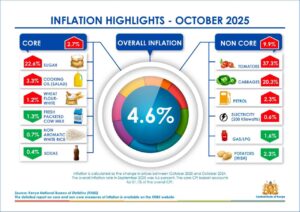
US–Kenya Inflation Report October 2025
The focus on health rather than infrastructure stems from political, operational, and reputational logic. Health aid is politically “safe” domestically, generates measurable results, and directly affects millions of lives.
Unlike infrastructure projects, which may face corruption scandals or long-term debt dependency, health programs allow Washington to demonstrate impact quickly.
Comparatively, China channels billions into African infrastructure, reflecting its strategic emphasis on trade, influence, and resource extraction.
The US, constrained by domestic political oversight and electoral scrutiny, prefers soft power investments in health and military sectors. These sectors enhance stability, foster pro-Western governance, and complement security objectives.
Health and military aid dominate US foreign assistance because they are seen as instruments of influence rather than mere charity.
Military cooperation ensures regional security alignment, while health programs build legitimacy for US-friendly governments. This dual approach maximizes leverage while minimizing financial and political risk.
Redirecting funds from NGOs also challenges the international aid ecosystem. While NGOs provide flexible, on-the-ground delivery, they often operate outside state oversight.
The US move pressures Kenya to absorb programs into public systems, theoretically enhancing sustainability but risking short-term service gaps.
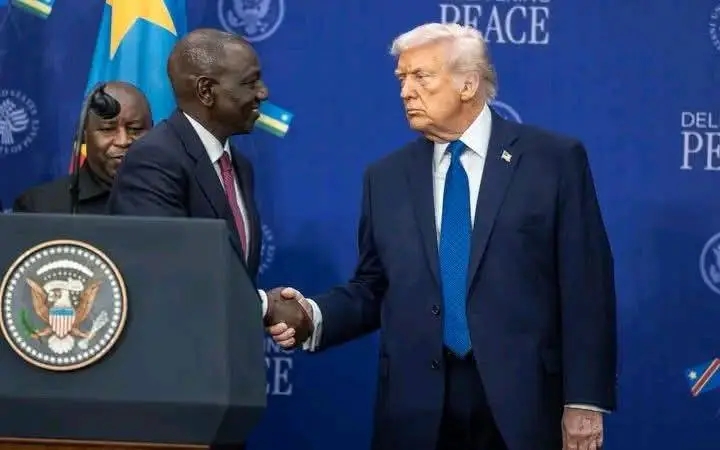
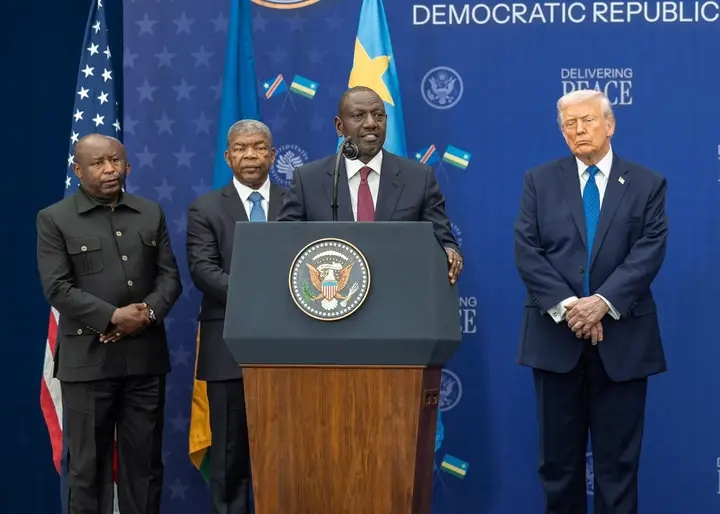
President William Ruto has pledged full accountability and increased domestic health spending. The compact requires Kenya to contribute roughly Ksh85 billion over five years, aligning financial and operational responsibility.
This signals Washington’s expectation that recipient countries co-invest in their development.
Faith-based organizations gain parity with private providers under the new model, ensuring continuity of mission hospitals.
This also reflects US interest in culturally sensitive delivery mechanisms while maintaining oversight. Religious institutions thus become both partners and instruments of soft power.
Kenya’s Men Athletes
The compact serves as a test case for wider Africa-focused aid reforms. If Kenya succeeds, other nations may be pressured into similar government-led models.
This demonstrates Washington’s preference for measurable state capacity outcomes over indirect NGO delivery.
Fiscal pressure on Kenya is significant; integrating donor-funded health workers and programs requires robust governance.
Mismanagement risks undermining public trust and potentially reduces long-term aid. Success depends on transparency, robust monitoring, and adherence to international standards.
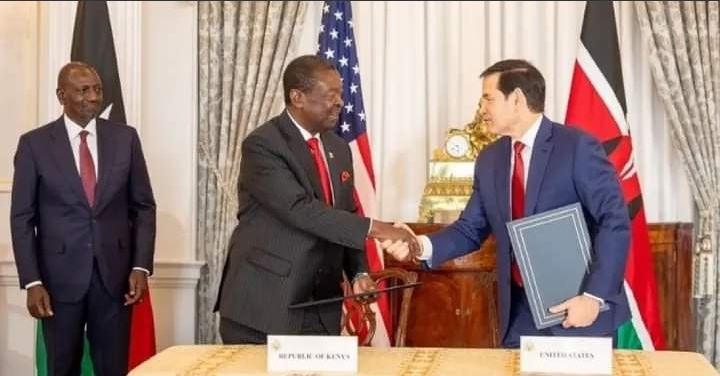
Alignment with US objectives also ties into Kenya’s foreign policy decisions. By committing to this compact, Nairobi signals loyalty to Washington’s regional security and political agenda.
This strategic partnership enhances Kenya’s influence in East Africa while locking in US support.
Oburu Oginga Interview
Data transparency and reporting are central to the agreement. Kenya must follow rigorous monitoring to satisfy US oversight and global health best practices.
For instance, the World Health Organization (WHO) emphasizes transparent funding reporting to optimize health outcomes, aligning with this compact. WHO Health Financing Guidelines
The compact also underscores the geopolitical role of aid. Direct funding enhances US leverage in multilateral settings and sets a precedent for other African countries.
Kenya’s success may reshape the balance of aid influence between the US and China.
Health aid remains a soft power instrument, shaping public opinion, government legitimacy, and diplomatic alignment.
Military cooperation complements this by ensuring security stability. Together, they form a dual strategy of influence without large-scale infrastructure investment.
HELB Loan Defaults in Kenya
“Washington is no longer funding aid through intermediaries; Kenya now carries both responsibility and opportunity in the global health landscape.”
This article was prepared by the Ramsey Focus Analysis Desk, based on verified reports, independent analysis, and insights to ensure balanced coverage.