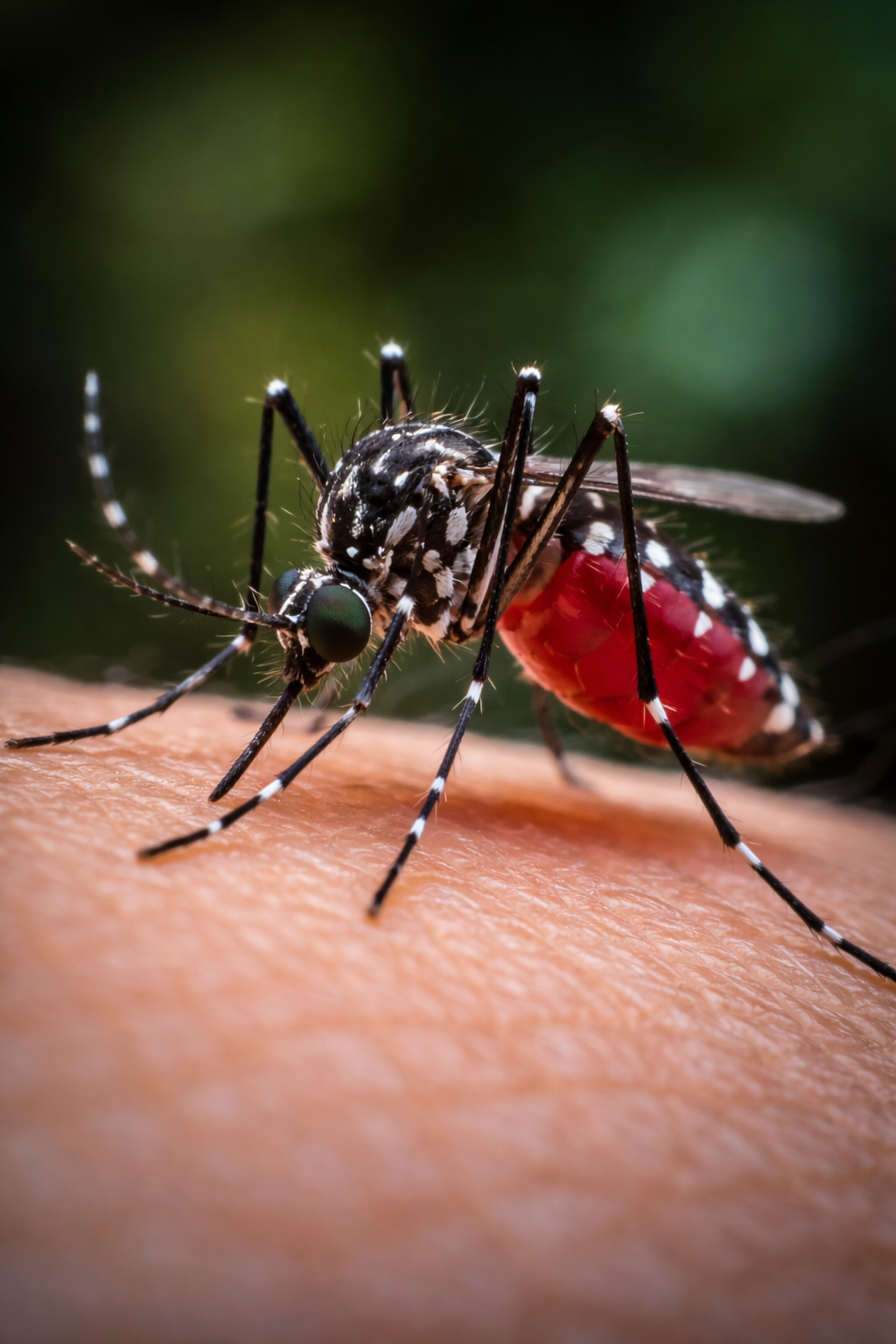
Bill Gates foundation mosquitoes
The debate around so called Gates foundation mosquitoes exists at the intersection of advanced biomedical science, public mistrust, and historical power imbalances in global health. What circulates widely online is rarely grounded in entomology or epidemiology. Instead, fragments of legitimate research are often removed from context and reshaped into alarming narratives. Online claims have circulated suggesting that the foundation is secretly releasing genetically modified mosquitoes in Kenya.
In reality, the biology, regulation, and ethics of vector control are far more nuanced than social media posts suggest. To fully understand this issue, it is necessary to explore mosquito biology, the mechanisms of malaria transmission, and the legitimate scientific strategies designed to combat the disease.
Malaria is caused by Plasmodium parasites, not mosquitoes. Female Anopheles mosquitoes function as vectors, transmitting parasites during blood meals. Inside the mosquito, Plasmodium undergoes sexual reproduction and migrates to the salivary glands, ready to infect another human host.
Disrupting any stage of this cycle can drastically reduce malaria transmission. Traditional interventions such as insecticide treated nets and indoor residual spraying remain effective but face limits as mosquitoes evolve resistance and parasite strains adapt to drugs.
Modern vector control research has therefore focused on the mosquito itself. Genetically modified male mosquitoes, which do not bite humans, are engineered to reduce female offspring or produce sterile progeny. As only female mosquitoes transmit malaria, reducing their numbers can cause transmission rates to drop dramatically.
Population models indicate that once mosquito density falls below a critical threshold, malaria prevalence can collapse nonlinearly, making relatively small reductions in vector populations highly effective.
Another promising approach involves modifying mosquito immunity. Genes that block Plasmodium development inside the mosquito gut prevent the parasite from ever reaching the salivary glands.
Even if these mosquitoes bite humans, they cannot transmit malaria. From an evolutionary perspective, this applies selective pressure against the parasite rather than targeting mosquitoes with chemicals, providing a sustainable, biologically precise intervention.
Gene drive technology is often cited as alarming but is heavily regulated. A gene drive biases inheritance so that certain genes spread rapidly through populations. Current research uses CRISPR-based systems in controlled laboratory environments.
The risk of accidental citywide release is extremely low, and ethical review boards, international oversight, and containment protocols govern all trials. The concept sounds dramatic, but science operates under transparency, monitoring, and legal compliance. Target Malaria research program,
The Gates Foundation provides financial support for malaria research but does not release mosquitoes or operate laboratories in Kenya. All vector control programs in Kenya are governed by national authorities, and no independent entomological studies have confirmed the presence of genetically modified mosquitoes in the wild.
Environmental factors such as heavy rainfall, poor drainage, urban heat, and seasonal changes explain population fluctuations far better than any alleged intervention.
Ultimately, the controversy underscores a need for public engagement and transparency. Scientific innovation alone is insufficient if communities feel excluded or uninformed.
Clear communication, local leadership, and participatory decision-making are essential to prevent misinformation from overshadowing decades of rigorous research. The truth is that mosquito-based malaria control strategies are grounded in population genetics, parasitology, and epidemiological modeling, not in covert operations or public harm.
The remarkable potential of these technologies lies not in secrecy but in their ability to save lives. Malaria remains one of the deadliest infectious diseases, and genetically informed vector control offers hope for reducing human suffering in affected regions. The “shock” should be reserved for the ingenuity of modern science and the persistence of misinformation rather than for any alleged Gates Foundation activity in Kenya.