What Happened to Kenya’s Men Athletes? From Glory to Uncertainty
Once, when the starter’s gun fired, the world paused — because the red of Kenya’s jersey meant inevitability. From Munich’s Olympic tracks to the streets of Boston and Berlin, Kenyan men didn’t just win; they defined what winning looked like. But today, that roar has softened into uneasy silence. As Kenya’s women surge forward and Africa evolves, a haunting question lingers: what happened to Kenya’s men athletes?
Through the 1970s to the 2000s, Kenya’s men were the soul of long-distance running. Kipchoge Keino’s heroics in Mexico City, Paul Tergat’s fierce duels with Haile Gebrselassie, and David Rudisha’s perfection in London 2012 sealed Kenya’s global legend. They ran with grit and grace — molded by high-altitude training, humility, and hunger.
But somewhere between pride and complacency, systems began to crumble. Training camps once united under discipline now faltered under politics and poor governance. World Athletics statistics show Kenya’s male medal tally shrinking since 2016, while new nations invest heavily in structured youth programs and sports science. Uganda refined its junior systems; Ethiopia modernized its methods; even Norway borrowed East Africa’s endurance model — and perfected it.
The world didn’t outrun Kenya’s men — it outgrew them. Kenya’s reliance on “natural talent” and “God-given stamina” no longer fits a world of data, sensors, and sports analytics. While the nation rested on heritage, competitors built laboratories, not legends. Innovation became the new endurance.
Meanwhile, a quiet revolution reshaped Kenya’s athletics — led by women. From Faith Kipyegon’s record-breaking dominance to Mary Moraa’s electrifying confidence and Peres Jepchirchir’s marathon consistency, Kenyan women are scripting a new golden era. Their professionalism, global training exposure, and adaptability mirror what the men once embodied — and lost.
These women’s success stories represent more than medals; they mark a cultural and psychological transformation. Many train under international coaches, adopt advanced nutrition, and use sports science to peak precisely when it matters. Their rise reflects not only personal excellence but also the slow maturing of Kenya’s sporting structures to include, and now depend on, women.
Gold Price Analysis
Across Africa, the same pattern appears: women ascend while men plateau. In Nigeria, South Africa, and Ethiopia, female athletes are breaking barriers once seen as unshakable. Kenya’s men, by contrast, face a generational gap — few successors ready to inherit the legacy of Rudisha or Tergat. The continent’s story is one of shifting power, both athletic and symbolic.
The global athletics map has changed beyond recognition. What once made Kenya unique — altitude and tradition — is now accessible to the world. International runners train in Iten and Eldoret, blending local grit with global science. Carbon-plated shoes, biomechanical assessments, and AI-driven recovery plans have neutralized natural advantages. In this era, raw talent without innovation is just nostalgia.
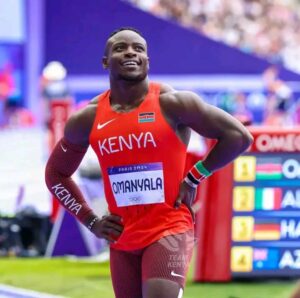
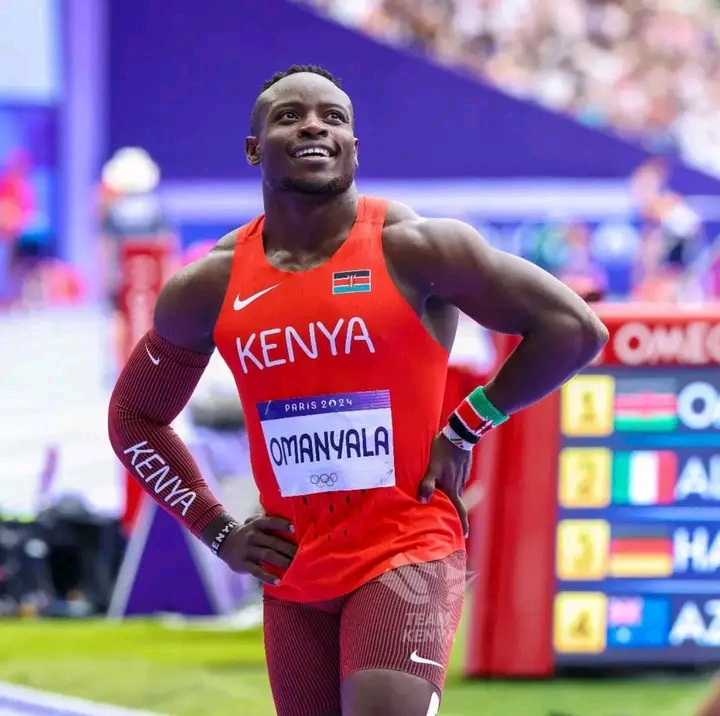
And yet, hope glimmers. The rise of Ferdinand Omanyala — Africa’s fastest man — signals a shift in Kenya’s athletic narrative. Omanyala’s sprinting success challenges the nation’s distance-running stereotype, showing that Kenya can diversify its dominance. Alongside Emmanuel Wanyonyi, his journey proves that a new system rooted in science, not sentiment, can restore glory.
“Omanyala’s sprints are not just races — they are metaphors, proving that Kenya’s future doesn’t have to look like its past.”
Yet the challenges are deep-rooted. Kenya’s athletics management has been accused of mismanagement, corruption, and neglect of young talent. Many promising athletes lack proper nutrition, mentorship, or mental health support. While coaches remain underpaid and undervalued, administrators thrive in bureaucratic comfort. This imbalance breeds frustration and stunts progress.
Compounding this is the moral crisis — the taint of doping. Over the past decade, a wave of cases has rocked Kenyan athletics, forcing global scrutiny from the BBC and World Athletics. Though most athletes are clean, the few who cheat have stained a proud legacy. Restoring credibility demands more than denial; it requires transparent leadership and a commitment to ethical sport.
Kenya’s salvation lies not in nostalgia but in reinvention. By integrating analytics, structured athlete development, sports psychology, and clean sport education, the country can bridge the gap between talent and technology. Schools must nurture runners holistically — emphasizing academics, professionalism, and integrity as much as speed.
BTC/USD Analysis
Global sport has evolved into a contest of innovation. Kenya must match its natural gifts with structured systems. The focus should shift from scouting to developing — from altitude to attitude. A strong partnership between government, federations, and private stakeholders could resurrect Kenya’s athletics model for the 21st century.
And when that happens, Kenya’s young runners — barefoot on village tracks, eyes on distant dreams — won’t just chase ghosts. They’ll build new legends, rooted in data, discipline, and dignity. The flame that once ruled the world still burns; it simply awaits a new spark.
This article was prepared by the Ramsey Focus Analysis Desk, based on verified reports, independent analysis, and expert insight to ensure balanced coverage.