Why FIFA Created a Peace Prize for Trump Ahead of the 2026 World Cup
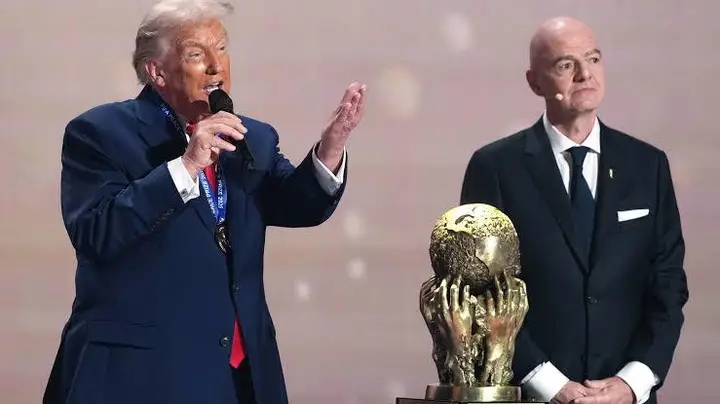
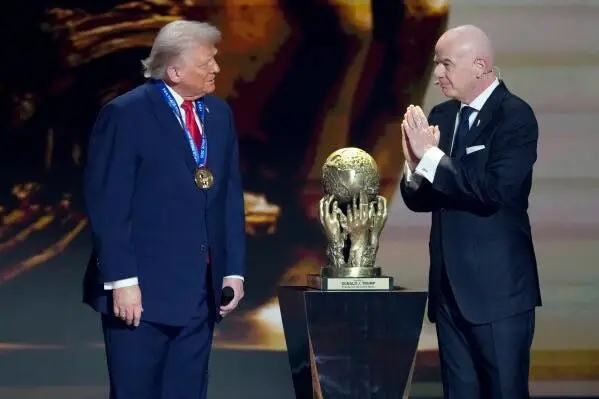
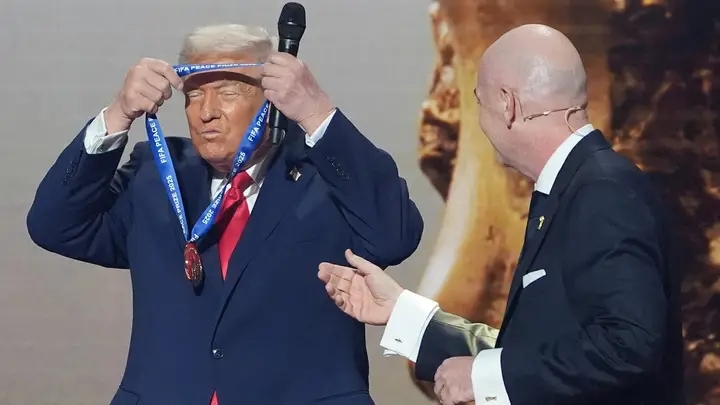
On December 5, 2025, at the 2026 FIFA World Cup draw in Washington, D.C., Donald J. Trump was awarded the inaugural FIFA Peace Prize.
The event drew global attention, combining the excitement of the World Cup draw with a high-profile political award. The ceremony highlighted FIFA’s new initiative to recognize individuals who have contributed to global peace and unity.
FIFA officially stated that the Peace Prize honors exceptional actions that unite people around the world. President Gianni Infantino described the award as a symbol of football’s ability to transcend borders and foster reconciliation.
By aligning the prize with the World Cup draw, FIFA aimed to amplify its global impact and demonstrate football’s potential beyond sport.
Trump was recognized for brokering peace agreements in Africa and for supporting ceasefires in other regions.
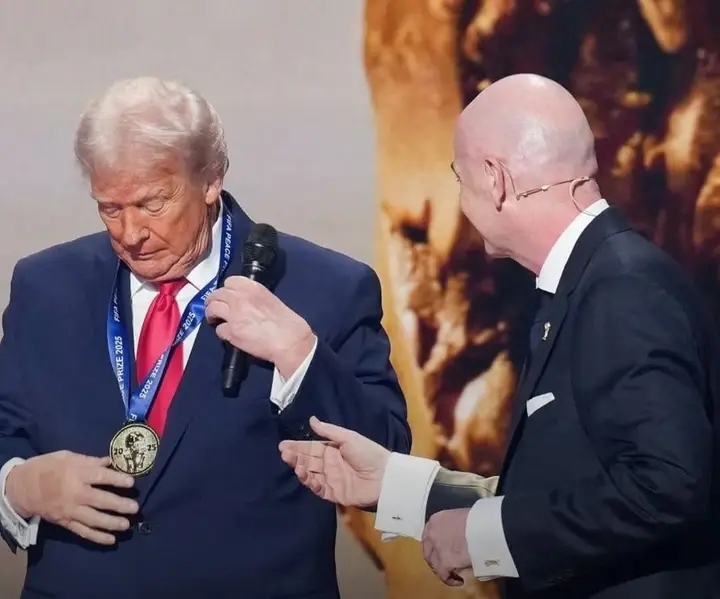
During the ceremony, he accepted the award with a statement of gratitude, emphasizing his administration’s efforts in international diplomacy. FIFA framed the recognition as a celebration of tangible contributions to world peace, positioning football as a tool for unity.
TikToker Arrested Over $3.5M Fraud Case
The award also serves strategic purposes for FIFA. By honoring the US president during the World Cup draw, the organization strengthens ties with the host nation.
The recognition ensures a smoother organizational and political environment for the tournament. According to reports, FIFA aims to leverage the award to promote its brand and the idea that football can contribute to global diplomacy.
For Trump, the prize functions as a symbolic validation of his legacy as an international peace broker. It also maximizes media exposure and international attention ahead of the tournament.
The timing of the award provides an opportunity to reshape public perception and emphasize global achievements rather than domestic controversies.
Despite the positive narrative, the award has been met with criticism. Human Rights Watch and other organizations questioned FIFA’s transparency in the selection process.
Critics argue that the Peace Prize may be more politically motivated than a genuine acknowledgment of peacemaking. Concerns were raised regarding Trump’s domestic policies, which some view as inconsistent with the principles of human rights and unity.
Kenya Inflation Trends for October 2025
The creation of the Peace Prize represents a shift in FIFA’s approach, intertwining sport with geopolitics. Historically focused on athletics, FIFA now seeks to establish itself as a global diplomatic actor.
This move expands its brand and influence, but also invites scrutiny over potential conflicts of interest and political alignment.
The inaugural award illustrates FIFA’s strategic use of major sporting events for broader messaging. By presenting the prize during the 2026 World Cup draw, the organization positions the tournament as a platform for global diplomacy and public relations.
The combination of sport and political symbolism is likely to influence public perception and sponsor engagement.
Experts note that the award also adds a layer of narrative to the World Cup, which will feature 48 teams across three co-host nations and 16 stadiums.
FIFA seeks to capitalize on global attention not just for the games, but for the broader message of unity. The Peace Prize creates an opportunity to frame the World Cup as an event that extends beyond athletic competition and into social and political relevance.
Gold Price Analysis and Market Trends
Some analysts argue that the award may set a precedent for future political engagement by FIFA. It could encourage other organizations to link sporting events with diplomacy initiatives.
However, without transparent criteria and independent verification, the credibility of the award may be questioned by the public and international observers.
The Peace Prize will also be evaluated based on its long-term impact on FIFA’s reputation and the perception of the World Cup. If the award is seen as a meaningful recognition, it could elevate football’s status as a global unifier.
Conversely, if perceived as politically motivated, it risks diminishing FIFA’s authority and overshadowing the athletic achievements of the tournament.
As the 2026 World Cup approaches, the Peace Prize adds intrigue and a complex narrative layer to the global event. Fans, policymakers, and media alike are paying close attention to both the tournament and the implications of awarding Trump the inaugural prize.
Football is positioned as a symbol of unity, but its integration with political recognition will be closely examined.
“The FIFA Peace Prize is a bold attempt to show that football can be a tool for global unity and diplomacy beyond the pitch.”
This article was prepared by the Ramsey Focus Analysis Desk, based on verified reports, independent analysis, and insights to ensure balanced coverage. Read more about the 2026 World Cup and FIFA initiatives on FIFA.com and coverage on Reuters Sports.