Why the United States Boycotted the South Africa G20 Summit 2025
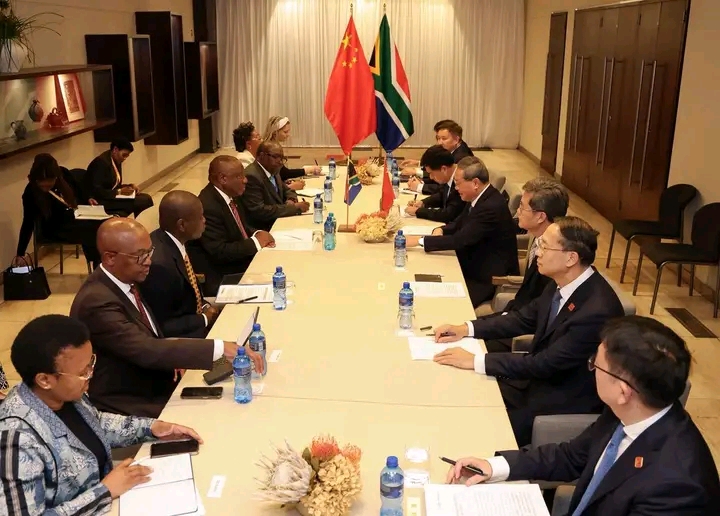
G20 summit 2025 saw leaders meet in Johannesburg for a summit marked by the notable absence of the United States, a decision that reshaped expectations and revived debate about global climate commitments.
The meeting continued as delegates finalised a draft declaration that includes climate language opposed by Washington, which for the first time in years was prepared without American approval. The development raised concern about multilateral cooperation and the willingness of major economies to advance shared goals, according to international observers.
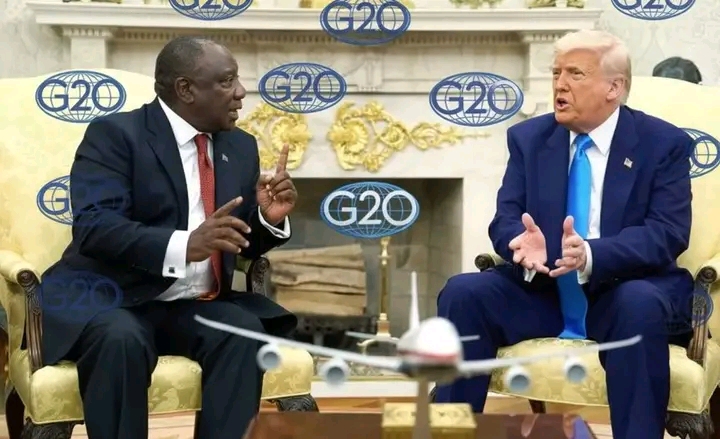
Diplomats involved in the negotiations said the draft declaration contains references to global warming, measures for energy transition, and financial support for countries affected by severe climate damage.
These remain some of the areas where Washington has resisted acknowledgment of climate science in recent global forums. South African officials confirmed that the draft was completed ahead of the summit, meaning discussions proceeded without any direct American influence, as reported by global financial institutions.
The United States announced earlier in the week that it would not attend the summit. Washington cited claims of discrimination against white South Africans, accusations rejected by various governments and independent monitors.
The administration also objected to the summit’s climate centred agenda, which focuses on resilience, equitable lending, and support for nations transitioning to cleaner energy solutions.
Global institutions have repeatedly warned that climate damage is increasing at a rapid rate and poses significant risks to global economic stability. Reports from the International Monetary Fund indicate that losses linked to climate impacts could reach trillions of dollars by the end of the decade.
The World Bank has also projected that climate shocks could push more than one hundred million people into poverty by 2030, which has shaped the priorities of many G20 members.
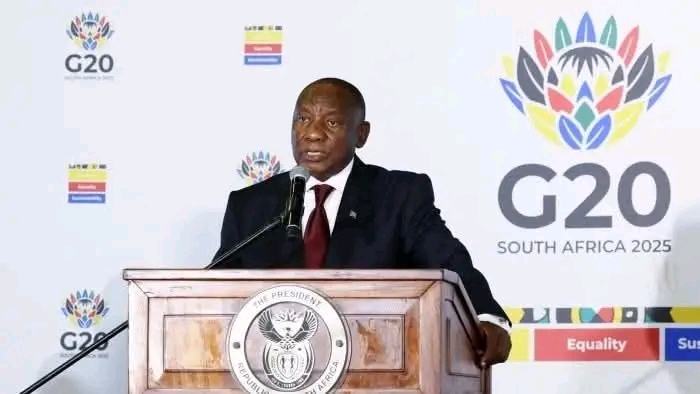
South Africa structured the summit around four central themes, three of which focus directly on climate related concerns. Delegates are evaluating ways to strengthen preparations for severe weather, increase investment in cleaner energy, and ensure that mineral rich countries receive fair economic returns from modern technologies.
The final theme addresses debt affordability, an issue highlighted by the African Development Bank, which reports that many African nations pay interest rates far higher than those paid by advanced economies.
The absence of the United States created mixed expectations. Some analysts say progress may be easier without American resistance to climate commitments. Others warn that the exclusion of a major economy may reduce the weight or durability of agreements reached in Johannesburg.
The boycott also appears inconsistent with guidance from global economic institutions. The International Monetary Fund, the World Bank and the African Development Bank have all called for deeper coordination and predictable financing for climate resilience. For many delegates, the United States absence offers an unexpected chance to advance shared goals without typical resistance.
A Nairobi based climate specialist, Dr Miriam Akoth, said the boycott was significant but not crippling. She noted that the remaining G20 members continue to align with scientific findings and financial recommendations, giving the summit a strong policy foundation despite the absence of Washington.
The real world impact of climate change has also shaped discussions. Governments across the African continent are grappling with repeated droughts, destructive floods and rising pressure on food production systems.
In Kenya, reports from the National Treasury show that climate shocks cost the country a considerable percentage of its economic output annually, influencing everything from public spending to infrastructure development.
South Africa has experienced severe flooding in recent years, displacing tens of thousands of people and straining public resources. These experiences have strengthened regional support for more ambitious global action.
The implications of the boycott extend beyond the immediate negotiations. Questions have emerged about the handover of the G20 presidency, which typically involves a formal exchange between the outgoing and incoming leaders.
South African officials indicated that they declined an offer from Washington to send a lower ranking diplomat for the ceremony, noting that the handover traditionally occurs between heads of state. This could result in an unusual moment in which the presidency is symbolically passed to an empty chair, highlighting the depth of the disagreement.
Specialists in international governance say this episode could influence the tone and structure of next year’s summit. Dr Lina Hofstad, an analyst focused on global institutions, explained that the Johannesburg declaration may become a reference point for other members as they prepare for the next round of discussions.
She added that the United States will likely attempt to shape the language and themes of the 2026 summit, but the unity demonstrated by other members this year could limit significant changes.
For now, the Johannesburg summit continues with steady determination from the remaining participants. Officials said they intend to finalise a declaration that reflects both the priorities of advanced economies and the urgent needs of developing nations facing climate related risks.
Even with the absence of one of the world’s largest economies, the rest of the G20 appears committed to continuing negotiations and strengthening cooperation.
The central question remains whether the boycott will weaken long term coordination within the G20 or whether it will motivate the remaining members to pursue shared goals with greater urgency.
The discussions in Johannesburg suggest that while the absence of the United States is a significant development, it has not halted the broader process. Decisions made at this summit may shape global climate and financial diplomacy well into the coming year and will likely influence the agenda when the United States hosts the forum in 2026.
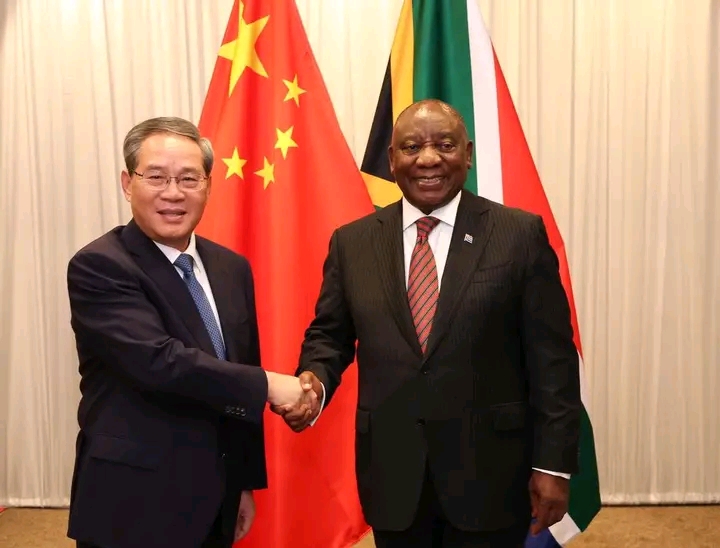
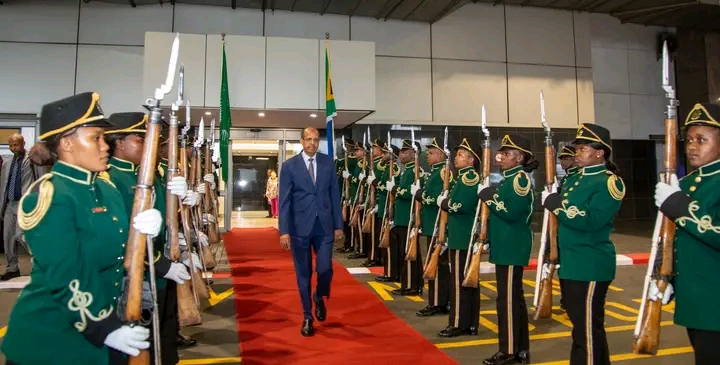

“The absence of the United States opens space for other G20 members to take a more decisive role on climate and financial priorities.”
This article was prepared by the Ramsey Focus Analysis Desk, based on verified reports, independent analysis, and insights to ensure balanced coverage.