Gold Breaks 4,200: All Eyes on the Make-or-Break 4,050–4,130 Support Zone
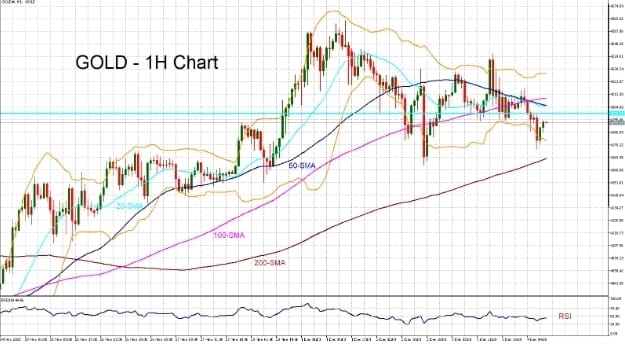
Gold’s decline below the 4,200 level has intensified trader attention across global markets, as the metal approaches the highly watched 4,050–4,130 support region.
This correction comes despite softer U.S. labor data, which typically boosts safe-haven demand and increases expectations for Federal Reserve rate cuts, according to market fundamentals.
The recent pullback signals a pause in bullish momentum rather than a structural reversal.
Gold has been trading within an ascending trendline from August, and the proximity of the 20-day and 50-day SMAs makes this support zone one of the strongest technical clusters in months. Investors are closely monitoring whether buyers will defend this region.
Market sentiment appears mixed, with the U.S. dollar stabilizing after earlier declines. While a firm dollar often weighs on gold, the lack of aggressive dollar strength means the metal’s decline is likely technical rather than macro-driven.
Latest Gold Price Analysis
US stock markets are showing renewed confidence, with the S&P 500 attempting its eighth positive session in nine days.
Rising risk appetite often diverts flows from safe havens such as gold, adding pressure on XAU/USD as traders shift toward equities. This dynamic partly explains why gold has failed to rally despite weak ADP employment numbers.
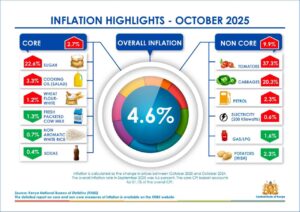
Meanwhile, global inflation dynamics remain crucial. Kenya’s October inflation report, for example, highlights ongoing global cost pressures, which influence investor expectations around monetary easing according to global macroeconomic trends.
Bitcoin’s consolidation above the 93,000 mark is another factor affecting speculative flows. Crypto markets tend to capture speculative capital during periods of momentum, and Bitcoin’s recent rebound has temporarily drawn attention away from gold.
BTC/USD Market Analysis
The technical significance of the 4,050–4,130 support region cannot be overstated. It aligns with both key moving averages and the primary trendline, forming a confluence zone that traders typically treat as a high-probability reversal area.
A strong bounce here could restore bullish sentiment and set the stage for a retest of recent highs.
Should this zone fail, however, gold could enter a deeper corrective phase. Traders will then shift their focus toward the psychological 4,000 level and potentially lower support regions.
For now, the market remains cautiously bullish unless a clear breakdown occurs.
Broader currency dynamics also influence gold’s outlook. As the Kenyan shilling gains strength in the regional market, emerging market currency performance continues to reflect shifting global risk sentiment and capital flows.
Kenyan Shilling Gains Ground
With the Federal Reserve expected to reconsider its December rate path, upcoming economic data—including CPI and NFP—will determine whether gold stabilizes or experiences further declines.
Any signs of economic slowdown typically support gold, while robust data may temporarily strengthen the dollar, pressuring XAU/USD.
In the East African context, gold remains a critical financial asset and export driver, and price movements have direct implications on regional mining sectors and foreign exchange earnings.
For Kenyan investors watching closely, the 4,050–4,130 zone will serve as the immediate battlefront between bulls and bears, with broader economic implications tied to global market sentiment.
Gold Mining and Market Trends in Kenya
“The 4,050–4,130 zone is the most important technical level for gold traders this quarter — a decisive bounce or breakdown here will set the tone for XAU/USD in December.”
This article was prepared by the Ramsey Focus Analysis Desk, based on verified reports, independent analysis, and insights to ensure balanced coverage.