Why the Guinea-Bissau Coup Is Reigniting Fears of West Africa’s Instability
The swift installation of Major-General Horta Inta-a as Guinea-Bissau’s transitional leader has once again thrust West Africa into the global spotlight, continuing a troubling cycle of military takeovers across the region.
The coup, executed just before provisional presidential election results were due, has added to the growing list of disruptions that analysts say are reshaping political realities in the region more broadly.
With Guinea-Bissau long known as a narcotics transit corridor, its instability often reverberates beyond its borders, raising fresh questions about governance, security networks, and democratic futures in the region.
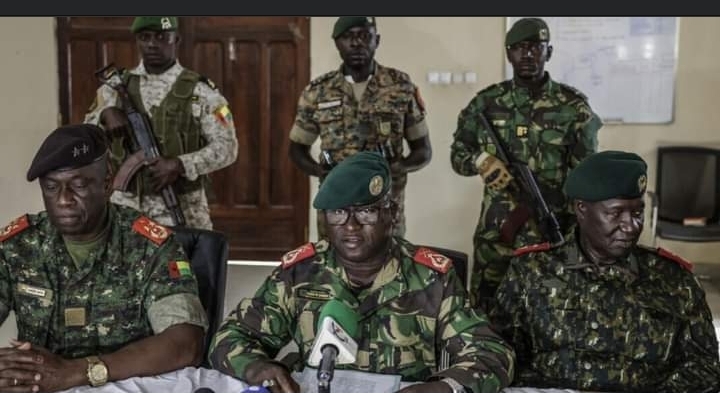
General Inta-a was sworn in on Thursday, appearing on state television flanked by senior officers as he declared a one-year transition period.
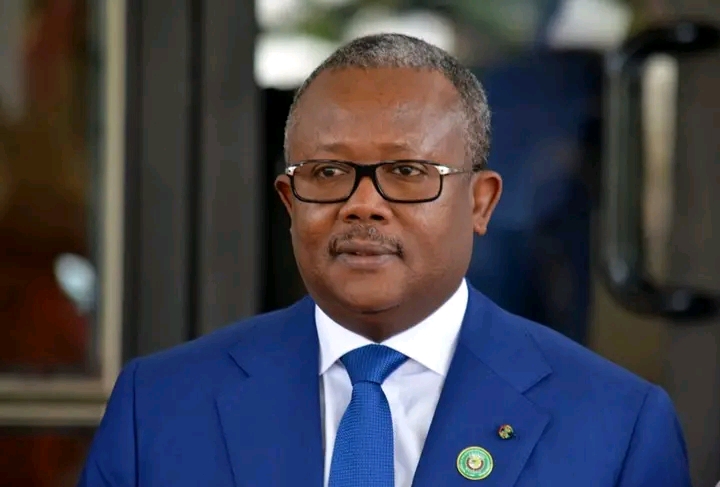
The move came a day after soldiers ousted President Umaro Sissoco Embalo, who was flown to Senegal following West African regional intervention.
The takeover marked the ninth coup in West and Central Africa in five years, a period defined by deepening economic uncertainty, contested elections, and an expanding role for the military in political life.
The self-styled “High Military Command for the Restoration of Order” claimed the coup was necessary to prevent a destabilisation plot involving politicians and drug traffickers.
They provided no evidence, but the accusations echoed long-standing concerns highlighted in World Bank regional governance data, which consistently associates weak institutions with heightened illicit economic activity across West Africa.
The coup unfolded as gunfire rattled the capital Bissau on Wednesday near the electoral commission headquarters and the presidential palace. Embalo called French media to confirm he had been deposed.
Hours later, an army communiqué stated he and other officials were “under the control of the High Military Command.” His challengers, including political newcomer Fernando Dias, accused him of orchestrating a “false coup attempt” designed to block election results he feared would show he was losing.
Across Bissau, daily life stalled. Banks and pharmacies remained closed, and residents stayed indoors even after curfew was lifted. “I’m very concerned about the prevailing situation,” said Julio Goncalves, a 30-year-old professor. “No pharmacy is open.
If somebody is sick how can he buy medicine or go to the hospital?” His fears reflect the human cost of a nation repeatedly shaken by military interventions, where institutional weaknesses often translate into disrupted services and strained livelihoods.
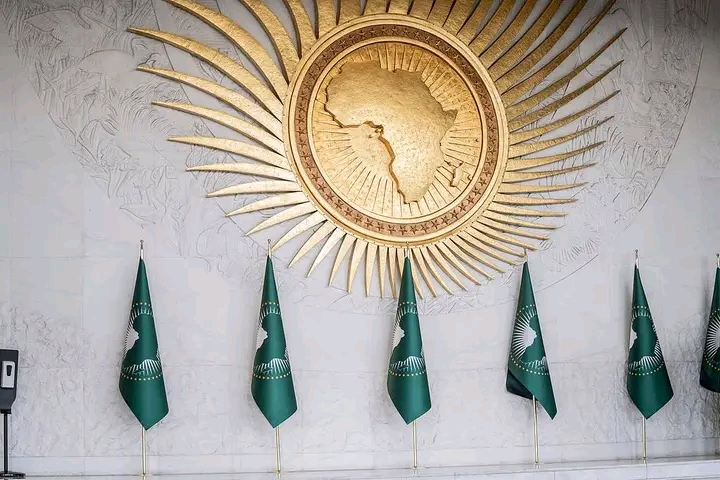
The international response was swift. African Union chairperson Mahmoud Ali Youssouf condemned the coup and demanded Embalo’s release. ECOWAS leaders, including the presidents of Nigeria, Senegal, and Liberia, held a virtual emergency meeting to assess the situation.
The European Union added its voice, insisting that constitutional processes must resume immediately. These responses mirror the region’s growing alarm over repeated political upheaval, which has impacted markets, weakened investment flows, and strained regional diplomacy.
Guinea-Bissau’s position as a cocaine transit hub further complicates the crisis. According to Lucia Bird Ruiz-Benitez de Lugo of the Observatory of Illicit Economies in West Africa, major traffickers allegedly financed electoral campaigns in these elections. “There is no sign the impact of cocaine on politics and governance in Bissau will decrease,” she warned.
Her observations underscore the entrenched networks that have historically shaped the country’s power struggles.
On the ground, tensions escalated as security forces used tear gas to disperse crowds near the detention site of former Prime Minister Domingos Simoes Pereira. Witnesses reported the firing of live rounds, though no casualties were confirmed.
Election observers, including former Nigerian President Goodluck Jonathan, were unaccounted for as ECOWAS grappled with ensuring their safety. Nigeria’s foreign ministry warned that those responsible for the unrest would be held accountable.
While military leaders promise a one-year transition, observers caution that similar assurances in the region have often been followed by prolonged rule.
Critics argue that the military’s justification including claims of narcotraffickers seeking to “capture Guinean democracy” warrants independent verification rather than acceptance at face value. Supporters of the coup, however, argue the intervention was necessary to prevent criminal infiltration of political institutions.
As Guinea-Bissau enters yet another transition, the broader implications remain profound. The coup reinforces concerns that instability in one state can spread across the region, especially where governance remains fragile.
It also raises questions about the influence of illicit economies on democratic processes and the capacity of regional blocs to respond effectively. With citizens facing uncertainty and essential services disrupted, the country is again navigating the uneasy intersection of politics, security, and economic fragility.
Ultimately, the installation of Major-General Horta Inta-a reflects deeper systemic issues that continue to shape West Africa’s political landscape.
Whether this transition leads to renewed order or entrenches further instability will depend on the transparency of the process, the role of regional actors, and the resilience of institutions tasked with steering the nation forward.
“The coup was necessary to prevent narcotraffickers from capturing Guinean democracy,” General Inta-a declared.
This article was prepared by the Ramsey Focus Analysis Desk, based on verified reports, independent analysis, and ground-level accounts to ensure balanced coverage.