How a Secret Sex Underworld Fueled Kenya’s 19% Surge in HIV Cases from 16,752 to 19,991 in One Year
As Kenya prepares to mark World AIDS Day, the National Syndemic Diseases Control Council has released its 2025 report, revealing a worrying reversal in the country’s HIV epidemic.
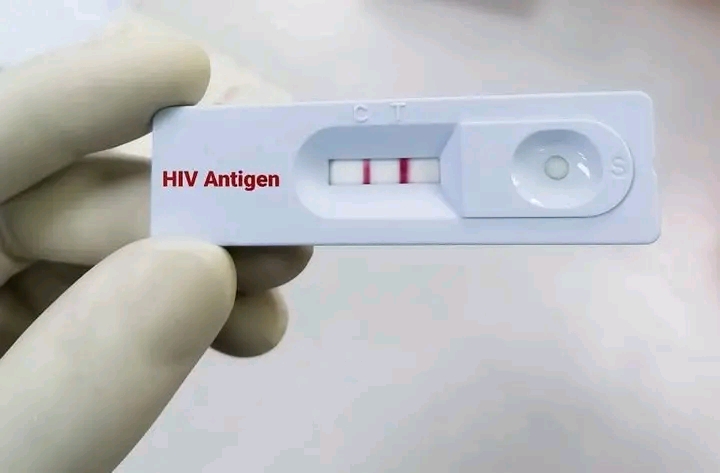
After six years of steady decline, new HIV cases jumped by 19% in 2024, rising from 16,752 to 19,991. This surge points to a hidden and dangerous underworld where poverty, exploitation, and risky sexual behavior intersect to fuel the spread of HIV.
The National Syndemic Diseases Control Council’s 2025 report, corroborated by NASCOP Kenya data, reveals that new HIV infections surged by 19% in 2024, rising from 16,752 to 19,991.
Young women aged 15 to 34 remain the most affected, highlighting the urgent need for targeted prevention and support.
This surge points to a hidden and dangerous underworld where poverty, exploitation, and risky sexual behavior intersect to fuel the spread of HIV.
The report indicates that nearly 74% of adult new infections occurred among young people aged 15 to 34, totaling 11,582 new infections in this age group.
Young women are particularly vulnerable, accounting for 54% of new adult infections.
Ten counties were responsible for 60% of all new cases, with Nairobi, Migori, Kisumu, Homa Bay, Busia, Siaya, Kakamega, Nakuru, Mombasa, and Bungoma reporting the highest numbers.
Nairobi alone recorded over 3,000 new HIV cases, making it the epicenter of the national surge. Despite men representing only 35% of people living with HIV, nearly half of all AIDS-related deaths occurred among them due to late testing and poor treatment outcomes.
Kenya ranks eighth globally in HIV prevalence, behind South Africa, India, Mozambique, Nigeria, Tanzania, Uganda, and Zambia.
Kenya Loan Defaults Impact Education Funding
The rise in infections is not simply a matter of statistics. It reflects the realities of a secret sex economy that operates largely beyond public health oversight.
Young women, often from disadvantaged backgrounds, are drawn into transactional sex to survive, frequently at the cost of their health. One young woman, who we will call Mary, shared her experiences to illustrate the hidden mechanisms behind the surge in HIV cases.
Mary grew up in a low-income neighborhood with a single mother who worked tirelessly to provide for her children.
By the age of 19, she had dropped out of school and was responsible for her younger siblings and her own child.
To earn a living, she entered the world of sex work, first working in local clubs and later servicing clients in private apartments where she was often accompanied by other women in similar circumstances.
Mary described one night when she was escorted to an apartment by a man she had met through a friend. She was given drinks and food, but within minutes she was disoriented and drugged.
She was forced to comply with multiple clients, performing acts that left her exposed to unprotected sexual contact. Her story reflects a broader trend in Nairobi and other urban centers where young women are lured with money, coerced, and often subjected to high-risk sexual encounters in secretive locations.
In these environments, unprotected sex is often expected because it pays more. Mary explained that most clients insist on sex without condoms, offering higher payments to women willing to comply.
She recalled nights when she and five other women were paired with six clients for hours in enclosed spaces. Some clients were intoxicated, others used drugs, and many encounters were filmed, creating additional pressures to participate.
The hidden sex economy is also increasingly digital. Social media platforms, live streaming services, and private messaging apps are being used to recruit young women and facilitate secret transactions.
Images, videos, and online interactions attract clients and create pathways to private meetings where women may be exposed to unprotected sex.
Tattoos, body piercings, and other personal branding have become part of this digital recruitment, signaling availability to potential clients. For further insights on youth and culture trends, see Wababa Culture Gen Z.
The human cost of this surge is evident. In addition to the 19% increase in new HIV cases, Kenya recorded 21,007 AIDS-related deaths in 2024.
Many of these deaths occurred among men who were diagnosed late or failed to adhere to treatment. The combined effect of hidden sexual networks, lack of protection, and delayed treatment has contributed to a resurgence that threatens to reverse years of progress in controlling the epidemic.
Experts warn that the epidemic is no longer simply a medical issue but a social crisis. Poverty, gender inequality, and exploitation create conditions where young people are highly vulnerable to HIV.
The situation in urban ghettos, informal settlements, and nightlife environments exposes many to repeated high-risk encounters with limited access to health services.
Social stigma further discourages testing and treatment, particularly among men, contributing to ongoing transmission and preventable deaths.
Addressing this crisis requires interventions that reach the populations most at risk. Efforts must focus on increasing access to testing, prevention tools, and treatment among young people, while providing economic alternatives and social support to reduce vulnerability.
Authorities must implement harm-reduction strategies to mitigate the risks associated with underground sexual networks, without criminalizing those most vulnerable.
Mary’s story, though harrowing, is not unique. It represents a wider pattern of risk, coercion, and vulnerability that is now contributing to Kenya’s rising HIV cases.
Her willingness to share her experience sheds light on the complex interplay of poverty, exploitation, and sexual behavior that public health campaigns must now confront. For more context on HIV prevention breakthroughs, see HIV Breakthrough.
“Stories like Mary’s highlight the vulnerabilities, dangers, and human realities that fuel the surge in HIV cases.”
Kenya’s surge in HIV cases underscores the urgent need for a comprehensive response that combines medical intervention with social support, legal protection, and community engagement.
By addressing the hidden drivers of infection and empowering young people, especially women, Kenya can begin to reverse the recent trend and regain momentum in its fight against HIV.
Without such action, the gains achieved over the past six years may continue to erode, and the hidden underworld driving infections will remain a silent but powerful force in the epidemic.
This article was prepared by the Ramsey Focus Analysis Desk, based on verified reports, independent analysis, and insights to ensure balanced coverage.