HIV Among Gen Z
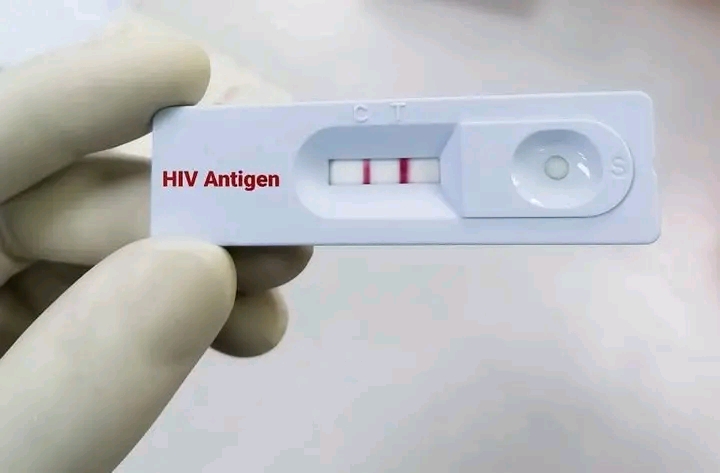
A positive HIV test result among a young person highlights a growing global concern: HIV is resurging among Gen Z. Many young people, raised during a period when HIV was perceived as largely under control, now face a reality they were unprepared for. Experts warn that across continents—from Johannesburg to New York—the virus is silently exploiting gaps in prevention, knowledge, and awareness. UNAIDS data reveals the alarming scope of this resurgence.
Globally, approximately 1.7 million people aged 15-24 were newly infected in 2023 alone. In sub-Saharan Africa, adolescent girls and young women bear the heaviest burden due to biological susceptibility, gender inequality, and limited access to prevention tools. In high-income countries, young men, particularly men who have sex with men, are driving increases in new diagnoses. CDC reports indicate rising HIV trends among 20-29-year-olds in the U.S., emphasizing that this is a silent, yet real, epidemic.
The Covid-19 pandemic worsened these trends by disrupting school-based sexual health programs and limiting youth access to clinics. As normalcy returned, young adults were left navigating sexual relationships with limited guidance. Despite better testing availability, the rise in HIV among Gen Z is more than improved detection—it reflects genuine increases in transmission.
Many young people assume HIV is no longer a threat because treatments are effective. This false sense of security has led to relaxed protective behaviors, leaving young adults vulnerable. For adolescent girls and young women, the risk is compounded by biological factors such as mucosal tissue sensitivity and increased susceptibility due to hormonal cycles. Social inequalities, age-disparate relationships, and limited agency in sexual decision-making further heighten risk.
Young men face different vulnerabilities, with stigma, delayed testing, and inconsistent use of preventive measures such as PrEP contributing to rising infections. Digital platforms, dating apps, and online social networks facilitate casual encounters while consistent condom use remains low. Surveys suggest fewer than half of sexually active young adults reliably use protection, allowing HIV to spread quietly.
Inside Eastleigh Traffic Chaos
Biomedical interventions such as daily PrEP and emerging long-acting injectables are highly effective when accessible and adhered to. However, cost, clinic availability, stigma, and lack of youth-tailored messaging limit uptake. Even self-testing kits cannot protect individuals who fail to follow up with treatment, highlighting persistent service gaps.
Youth-friendly sexual health services are limited, and pandemic-related disruptions further disconnected young people from essential care. Educational programs often rely on fear-based or abstinence messaging, which fails to resonate with Gen Z. Countries with targeted youth programs have observed slower increases in new infections, showing that intervention works when appropriately designed.
Globally, young adults aged 15-24 make up nearly 30% of new HIV infections while representing just 16% of the population. High-incidence regions, like South Africa, report yearly infection rates of 1.5% among young women. In the U.S., HIV diagnoses among 20-29-year-olds rose 11% in five years. Even where antiretroviral therapy is widely available, gaps in prevention, testing, and education sustain transmission among Gen Z.
The digital era both aids and challenges prevention efforts. Misinformation, underestimation of risk, and perceived manageability reduce motivation to adopt protective behaviors. The virus exploits behavioral, social, and digital gaps efficiently, highlighting the need for comprehensive interventions targeting these vulnerabilities.
Prevention strategies must focus on accessibility, youth-friendliness, and cultural relevance. Clinics should adapt schedules, privacy policies, and staff training to meet the needs of young adults. Effective use of PrEP, long-acting injectables, and self-testing can empower Gen Z to protect themselves when integrated with supportive education and stigma-free services.
“The rise of HIV among Gen Z is preventable, but it requires urgent, youth-centered awareness, access, and empowerment.”
This article was prepared by the Ramsey Focus Analysis Desk, based on verified reports, UNAIDS, WHO, CDC, and independent analysis to ensure balanced coverage of global HIV trends and youth prevention strategies.