Iran Strait of Hormuz yuan oil trade: Iran’s Offer to Reopen Strait of Hormuz with Yuan Oil Trade Could Challenge U.S. Dollar System
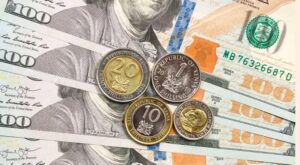
Iran has made a shocking offer to reopen the Strait of Hormuz, the narrow sea lane through which 20 percent of the world’s oil flows. However, the offer comes with one terrifying condition: oil cargo must be traded only in Chinese yuan, not in dollars or euros. A senior Iranian official revealed that Tehran is considering allowing oil tankers to pass through the Strait of Hormuz only if the trade is conducted in Chinese currency.
If this policy becomes reality, it could challenge the 52-year dominance of the U.S. petrodollar system. The real question is not just about oil, but why Iran is doing this. How will the United States respond, and how could the entire world react if the global oil system starts to split into two currencies?
To understand what is happening today, we need to look back more than 50 years. In 1974, after the oil crisis shook global markets, the United States made a historic agreement with Saudi Arabia that would change the course of global energy trade.
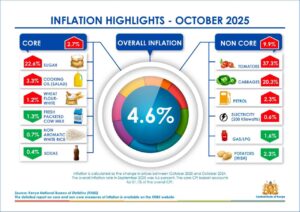
Kenya’s Inflation Crisis in October 2025
The agreement was simple but powerful: Saudi Arabia, along with most of OPEC, would sell oil only in U.S. dollars. In return, the United States would provide military protection, security guarantees, and access to global financial markets. This deal created the petrodollar system, establishing the U.S. dollar as the global standard for oil trade, and it provided Washington with extraordinary economic leverage.
Over time, however, some countries began searching for ways to escape the U.S.-led system, and Iran emerged as one of the most determined challengers. Iran’s conflict with the United States did not begin yesterday; it has been building for over 40 years since the Iranian Revolution of 1979. The United States imposed layer after layer of sanctions on Iran’s economy, including on its oil exports, banking system, and companies that did business with Iran.
These sanctions severely crippled Iran’s ability to sell its oil, which is its main source of revenue. As a result, Iran found itself in a difficult position. It could produce oil, but selling it became increasingly difficult due to global sanctions. International banks refused to process Iranian transactions, and most shipping companies avoided Iranian oil.
Iran then turned to China, which became its most important partner. China, the largest energy importer in the world, needed oil, and Iran had vast reserves, but the sanctions made it hard to find buyers. In 2021, Iran and China signed a 25-year strategic cooperation agreement that included investments in Iran’s infrastructure and long-term energy deals.
A crucial part of this partnership is China’s desire to expand the global use of its currency, the yuan. For years, Beijing has been working to reduce the global reliance on the U.S. dollar, with energy trade being one of the biggest battlegrounds. Iran understood the significance of this partnership.
“If oil, the world’s most important commodity, starts being traded in yuan, it could shake up the dollar-dominated energy market.”
If Iran successfully enforces yuan-based oil trade through the Strait of Hormuz, it would challenge the dominance of the U.S. dollar in global energy markets. While the U.S. military is powerful, Iran controls a key chokepoint in global oil trade. Iran’s strategy does not rely on conventional military force but instead uses asymmetric tactics to create economic pressure, forcing political compromises.
Washington has several possible responses. One option is military escalation, where the U.S. could increase its military presence in the Persian Gulf, risking a larger conflict. Another possibility is an economic counterattack, where the U.S. could impose even harsher sanctions on Iran or pressure Chinese companies to stop buying Iranian oil. Diplomatic pressure is another potential approach, where the U.S. could work with Gulf allies to maintain oil sales in dollars.
The world is closely watching these developments. Europe, which relies on energy from the Middle East, may try to avoid taking sides in the conflict, balancing its energy needs with its reliance on the U.S. financial system. China stands to benefit the most if oil trade moves to yuan, gaining substantial financial leverage and increasing the yuan’s influence in global markets.
Russia may also support the shift away from the dollar, as it has already moved toward non-dollar energy trade due to Western sanctions. The world may eventually split into two competing financial systems for oil: one based on the U.S. dollar and the other based on the yuan. This scenario could lead to a fragmented global economy, where the traditional dollar-based markets coexist with new yuan-based energy markets.
However, Iran’s strategy also carries risks for itself. If the Strait of Hormuz remains closed for too long, Iran would suffer significant economic losses since its revenue depends heavily on oil exports. Iran must carefully balance its strategy to apply pressure while ensuring its survival. This may explain why it is considering limited tanker access rather than a complete closure of the Strait.
This article was prepared by the Ramsey Focus Analysis Desk, based on verified reports, independent analysis, and insights to ensure balanced coverage.
Read more about global oil trade and the U.S. dollar’s dominance on BBC News.
- TikToker Arrested for 3.5M Fraud
- Nairobi Land Prices Surge Amid Economic Shifts
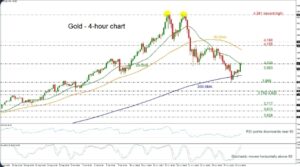
- Gold Price Analysis: Trends and Predictions
- Eliud Kipchoge’s Historic Marathon Records
- Kenyan Shilling Gains Ground Against Major Currencies
- Uchumi Supermarket Reports Significant Profits
- The Rising Power of African Women in Global Business
- Safaricom’s Expansion and Impact on African Telecoms