Raila Odinga’s Final Treatment: Ayurveda and the Arrival of Indian Doctors in Kenya
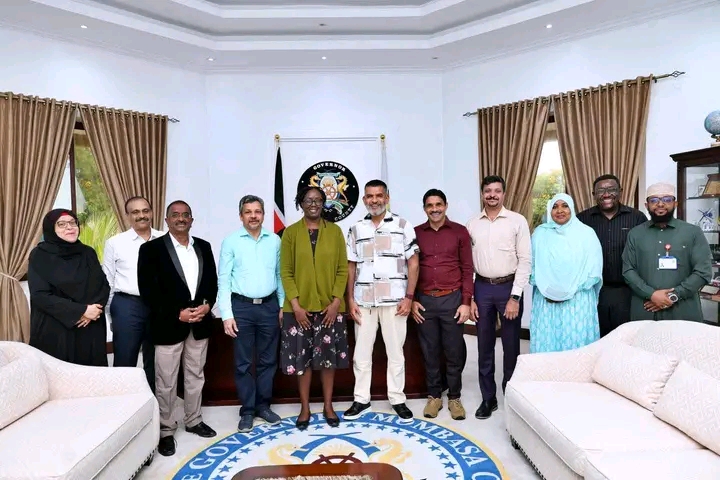
The arrival of Indian doctors in Kenya to pay final respects to the late former Prime Minister Raila Odinga has made headlines across the region. Beyond the symbolism, the event raises critical questions about the care he sought in India and the growing intersection between Ayurveda and modern medicine.
Raila Odinga received treatment at Sreedhareeyam Ayurvedic Hospital in Kerala, a facility known for blending ancient Indian healing practices with modern clinical infrastructure. The hospital had previously treated his daughter, Rosemary Odinga, whose recovery from vision loss gained significant media attention. Unlike his daughter, Raila succumbed to illness while undergoing therapy, which reignited debate over Ayurveda’s role in serious chronic conditions.
Ayurveda, often described as the “science of life,” emphasizes balancing three doshas: Vata (air), Pitta (fire), and Kapha (water). Treatments are individualized, combining diet, herbal medicines, massage therapy, yoga, and detoxification processes called Panchakarma. For many Kenyans, this approach may seem mystical, yet its adoption is increasing among African elites seeking complementary therapies alongside conventional medicine.
Scientific evidence supporting Ayurveda is mixed. Some studies show benefits in managing chronic ailments such as arthritis, diabetes, or metabolic disorders. However, many studies are small, lack proper control groups, and use inconsistent formulations, making it difficult to separate true therapeutic effects from placebo or lifestyle factors.
Raila’s decision reflects a broader trend of global leaders exploring complementary or holistic approaches after extensive conventional treatment. Reports indicate he was being treated for high blood pressure, kidney complications, and diabetes — conditions Ayurveda claims to improve by restoring internal balance. While some practices like yoga and plant-based diets have measurable benefits, many treatments remain unvalidated by large-scale clinical trials.
Safety concerns are significant. Despite emphasizing natural remedies, Ayurveda is not inherently risk-free. Certain medicines, particularly bhasmas, may contain heavy metals like lead, mercury, or arsenic. WHO studies report that contamination can occur intentionally or accidentally during preparation. For patients with kidney disease or other chronic conditions, such exposure can worsen outcomes, highlighting the need for rigorous safety oversight.
Interactions between Ayurvedic treatments and conventional medicines are another critical concern. Certain herbs can influence liver enzyme activity, potentially affecting drug metabolism and altering blood sugar or blood pressure control. Without proper coordination between practitioners of both systems, patients face unpredictable risks — a problem exacerbated in Kenya, where regulation of imported herbal medicines is still limited.
Despite these concerns, Ayurveda’s focus on lifestyle, diet, and mental well-being resonates with modern preventive medicine. Practices such as meditation, stress reduction, and balanced nutrition have scientifically documented benefits. The challenge lies in distinguishing validated therapies from those promoted based on anecdote or tradition rather than empirical evidence.
Raila Odinga’s final treatment choice could serve as a turning point for how African countries engage with traditional medicine. Rather than romanticizing or dismissing Ayurveda, Kenya’s medical community could treat this case as a study to understand the potential and limitations of complementary therapies. Collaborations with established Indian institutions could help formalize research, monitor safety, and standardize effective treatments.
In the broader global context, Ayurveda represents a meeting point between cultural heritage and scientific rigor. It embodies centuries of medical thought predating modern science while offering preventive and holistic approaches. Yet, as global interest rises, regulatory frameworks must evolve to ensure therapies are both safe and effective, with clear guidance for patients.
Raila Odinga’s decision illustrates another type of bridge — between modern biomedicine and centuries-old traditional healing. The arrival of his Indian doctors in Kenya was more than ceremonial; it highlighted the need for evidence-based evaluation of alternative medicine practices. Kenya now faces an urgent opportunity to integrate traditional systems responsibly into its healthcare landscape.
For African policymakers and medical professionals, the lesson is clear: blending traditional medicine with scientific validation can expand care options, but it requires transparency, regulation, and ongoing research. Ignoring these responsibilities risks patient safety and public trust while embracing the potential benefits could enhance preventive healthcare.
“Raila Odinga’s choice of Ayurvedic therapy symbolizes a bridge between modern biomedicine and centuries-old traditional healing, calling for responsible integration backed by evidence.”
Ultimately, Raila’s final chapter is both a personal story and a public lesson. It demonstrates the promise of alternative therapies while cautioning against overreliance without scientific scrutiny. Kenya now has an opportunity to transform curiosity into structured inquiry, ensuring that traditional medicine complements modern healthcare safely and effectively.
This article was prepared by the Ramsey Focus Analysis Desk, based on verified reports, independent analysis, and insights to ensure balanced coverage.