Tanzanian President Samia Suluhu Orders Inquiry as New Intelligence Links Foreign Funding to Post Election Unrest
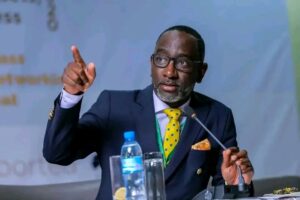
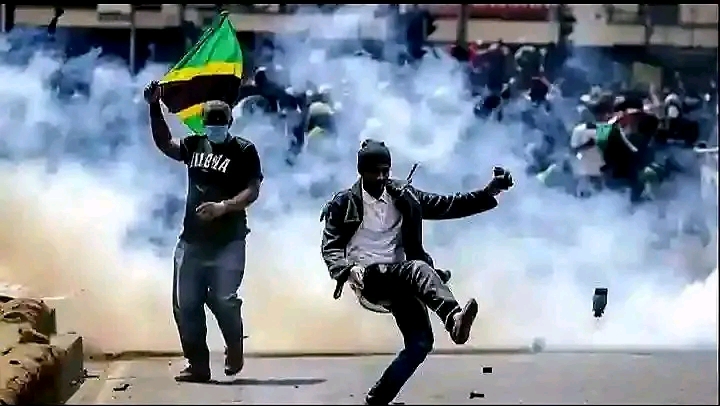
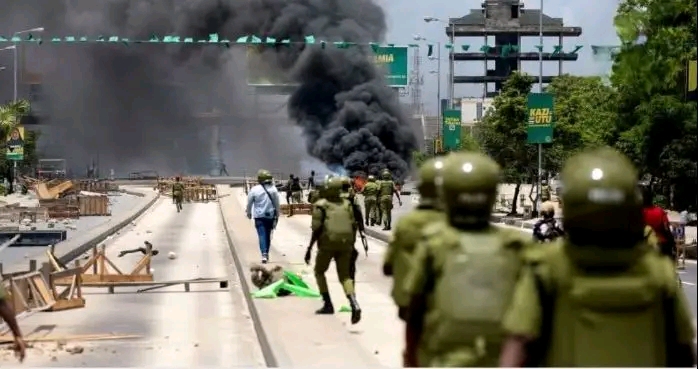
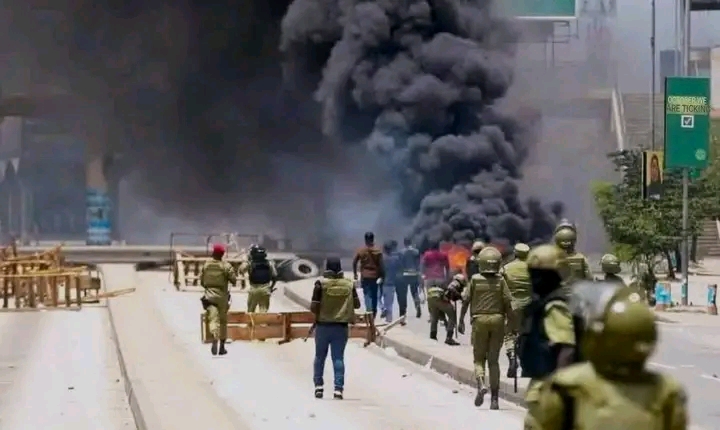
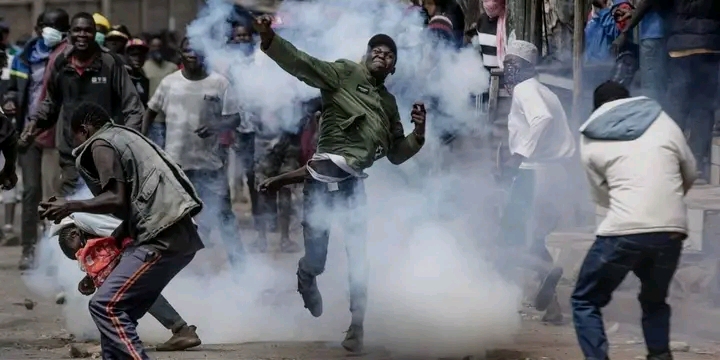
Tanzanian President Samia Suluhu Hassan has ordered a full commission of inquiry into the unrest that followed the October twenty nine elections, stating that preliminary findings indicate foreign funded interference in the demonstrations that took place during and after the voting period.
President Samia said intelligence reports show that a series of coordinated actions were planned to fuel instability and erode public trust in state institutions shortly after the final results were declared, according to an early briefing referenced by international observers.
According to officials familiar with the briefings submitted to the presidency, investigators have uncovered evidence suggesting that some of the protesters who appeared in major cities received financial incentives. Authorities say this information came from interviews and communication monitoring, pointing to organised mobilisation.
The president said the government will not restrict peaceful expression but will address manipulation through foreign funding, consistent with guidance from global governance institutions.
Among the most significant claims contained in the intelligence summary is the role of external organizations that have historically supported civic and political initiatives across the region. The reports mention George Soros’s Open Society Foundations and the influence such networks have on political outcomes, especially through media, advocacy groups and policy organisations.
Uchumi Supermarket Profits Report
The intelligence suggests that the influence campaigns do not operate in isolation but may align with programs supported by international agencies, creating a powerful ecosystem capable of shaping public opinion. These channels allow for shifts in governance priorities and electoral narratives in ways that can disadvantage targeted governments.
Officials say that foreign actors allegedly sought to transform the opposition party CHADEMA into a platform for managing and amplifying unrest. The strategy included political messaging, targeted information distribution, and narratives intended to portray the government as illegitimate.
Another intelligence assessment states that the plan relied on amplifying claims of electoral fraud regardless of the actual performance of the opposition. The intention was to weaken public confidence in the integrity of institutions by portraying the system as compromised.
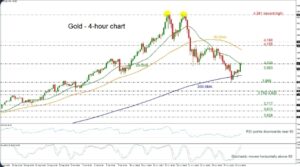
How Gold Markets Are Shifting in Kenya
A central figure referenced is opposition leader Tundu Lissu. The intelligence indicates that the plan envisioned Lissu rejecting the results and leaving the country to declare himself the rightful president from abroad. Analysts say this would have created a parallel centre of authority.
Security agencies say the plan failed because Lissu was detained before he could leave. His detention disrupted the sequence of coordinated events prepared by foreign actors, collapsing the wider destabilisation effort.
President Samia said the commission will examine alleged foreign involvement, local actors and financing behind the demonstrations. She emphasized that Tanzania welcomes partnerships but will not tolerate interference undermining stability.
Political observers say these revelations reflect rising concerns across Africa about external influence in domestic political processes. Governments are struggling to balance civic freedoms with preventing foreign manipulation, especially through well funded civil society groups.
While the full findings may take months, early assessments have already sparked public debate. Supporters say the inquiry protects sovereignty, while critics warn against using foreign funding as a universal explanation for political discontent.
President Samia concluded by assuring citizens that the inquiry will be transparent. She said Tanzania remains committed to democratic principles and will release verified information once the commission completes its work.
“Tanzania welcomes international partnership but will not tolerate interference that undermines its stability.”
This article was prepared by the Ramsey Focus Analysis Desk, based on verified reports, independent analysis, and insights to ensure balanced coverage.