Health Benefits of Garlic: Why This Simple Ingredient Is So Powerful
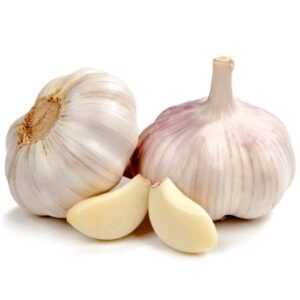
Garlic is more than just a flavorful ingredient in the kitchen. It has been used for centuries in food and traditional wellness practices, and today it remains one of the most talked-about natural foods in nutrition circles.
Modern research suggests garlic may support heart health, contribute antioxidant compounds, and help people build healthier eating habits. While it is not a cure-all, it can be a valuable addition to a balanced diet.
One of garlic’s biggest strengths is that it is both affordable and easy to include in daily meals. Whether eaten raw, roasted, or lightly cooked, garlic adds taste and potential wellness benefits at the same time.
Garlic is often associated with cardiovascular wellness because it has been studied for its possible role in supporting healthy cholesterol and blood pressure levels. This is why it is frequently recommended as part of a heart-conscious eating plan.
It also contains sulfur compounds and other plant-based substances that make it scientifically interesting. These compounds are often linked to antioxidant activity, which helps protect the body’s cells from oxidative stress.
Beyond the science, garlic has a practical health advantage: it makes healthy food taste better. Adding garlic to vegetables, soups, lean proteins, and grains can make nutritious meals more enjoyable and easier to maintain over time, much like nutritious food-focused features seen in stories about food systems and agricultural investment in Africa.
For many people, the easiest way to enjoy garlic is through everyday cooking instead of supplements. Fresh garlic in sauces, stews, marinades, and roasted dishes delivers flavor naturally and fits well into healthy lifestyle habits.
Still, garlic should be used with realistic expectations. It may support wellness, but it works best alongside exercise, good sleep, a nutrient-rich diet, and regular medical care when needed, just as broader public health progress often depends on multiple factors highlighted in reporting on health sector workforce challenges.
There are also a few cautions worth noting. Large amounts of garlic or garlic supplements may cause stomach upset, bad breath, body odor, or increase bleeding risk in people taking blood-thinning medication. For more evidence-based information, readers can review guidance from the U.S. National Center for Complementary and Integrative Health.
| Benefit | How Garlic Helps | Important Note |
|---|---|---|
| Heart Health | May support healthy cholesterol and blood pressure levels | Should complement, not replace, medical treatment |
| Antioxidant Support | Contains plant compounds linked to antioxidant activity | Benefits are strongest when part of a healthy diet |
| Better Diet Quality | Improves flavor in vegetables, soups, and whole foods | Can help reduce reliance on excess salt or heavy sauces |
| Daily Use | Easy to add to meals in fresh, cooked, or roasted form | Food use is generally easier than supplement use |
Garlic at a Glance
- Supports heart-conscious diets with possible cholesterol and blood pressure benefits.
- Contains antioxidant-rich compounds that make it valuable in nutrition discussions.
- Makes healthy meals more enjoyable by adding strong flavor naturally.
- Easy to use daily in soups, stews, sauces, vegetables, and marinades.
- Best used in moderation, especially for people on blood-thinning medication.
Garlic’s popularity continues because it offers both taste and potential health value in one ingredient. It is a simple reminder that some of the most powerful additions to a healthy lifestyle do not need to be expensive or complicated.
People who regularly include garlic in balanced meals may benefit from its nutritional support while also enjoying more satisfying food. In that sense, garlic supports not just health outcomes, but healthier eating habits overall, much like consistent lifestyle choices discussed in broader wellness stories such as Kenya’s men athletes and the discipline behind performance.
As interest in natural wellness grows, garlic remains one of the most accessible foods worth keeping in the conversation. Used wisely, it can play a small but meaningful role in supporting long-term health and everyday nutrition, alongside lifestyle awareness often reflected in public health and society features like stories on African women and community wellbeing.
“Garlic may not be a miracle cure, but it remains one of the simplest and most affordable ingredients that can support both flavor and a healthier diet.”
This article was prepared by the Ramsey Focus Analysis Desk, based on verified reports, independent analysis, and insights to ensure balanced coverage.